The Essential Guide to Soil Laboratory Testing in Civil Engineering
Advancing Geotechnical Analysis for Robust Infrastructure Development
Soil laboratory testing forms the bedrock of civil engineering projects, providing critical data that informs design decisions and ensures the safety and longevity of structures. As urban development continues to push boundaries, the importance of thorough soil analysis has never been more pronounced. This comprehensive guide delves into the intricacies of soil laboratory testing, exploring its significance, methodologies, and the innovative approaches that are shaping the future of geotechnical engineering.
The Foundations of Soil Laboratory Testing
Soil laboratory testing is a complex process that involves analyzing soil samples to determine their physical and chemical properties. These tests provide crucial information about soil strength, compressibility, permeability, and other characteristics that directly impact the design and construction of infrastructure projects. EEDAS, a leader in geotechnical engineering solutions, has been at the forefront of soil laboratory testing for years. Their advanced geotechnical services have contributed to numerous successful projects across various industries. The process of soil laboratory testing typically involves several stages: 1. Sample Collection: Obtaining representative soil samples from the project site. 2. Sample Preparation: Processing the samples for various tests. 3. Physical Property Tests: Determining soil composition, grain size distribution, and moisture content. 4. Mechanical Property Tests: Assessing soil strength, compressibility, and shear resistance. 5. Chemical Analysis: Evaluating soil pH, organic content, and presence of contaminants. 6. Data Interpretation: Analyzing test results to inform engineering decisions. State-of-the-art soil testing laboratory equipped with advanced instruments for comprehensive geotechnical analysis.
The Significance of Accurate Soil Testing
Accurate soil testing is paramount in civil engineering projects. It serves as the foundation for informed decision-making and helps mitigate potential risks associated with soil-related issues. Here's why soil laboratory testing is crucial: 1. Foundation Design: Soil properties determine the type and depth of foundations required for structures. 2. Slope Stability Analysis: Soil strength parameters are essential for assessing the stability of natural and man-made slopes. 3. Pavement Design: Soil characteristics influence the thickness and composition of road pavements. 4. Earthquake Engineering: Soil behavior under seismic loads is critical for designing earthquake-resistant structures. 5. Environmental Assessment: Soil testing helps identify contaminants and assess their impact on construction and the environment. EEDAS's expertise in soil laboratory testing has been instrumental in numerous high-profile projects, ensuring the safety and stability of structures in diverse geological conditions.
Advanced Techniques in Soil Laboratory Testing
The field of soil laboratory testing is constantly evolving, with new technologies and methodologies emerging to enhance accuracy and efficiency. Some of the advanced techniques employed by leading firms like EEDAS include: 1. Triaxial Testing: This sophisticated test provides detailed information about soil strength and stress-strain behavior under various loading conditions. 2. Resonant Column Testing: Used to determine dynamic soil properties, crucial for earthquake engineering and machine foundation design. 3. Cyclic Simple Shear Testing: Simulates the behavior of soil under repeated loading, important for assessing liquefaction potential. 4. Bender Element Testing: Measures small-strain shear modulus of soil, vital for predicting soil behavior under dynamic loads. 5. X-ray Diffraction (XRD) Analysis: Identifies the mineralogical composition of soil, which can significantly influence its engineering properties. Advanced triaxial testing equipment used for precise measurement of soil strength parameters. These advanced techniques allow for a more comprehensive understanding of soil behavior, leading to more accurate predictions and safer designs. EEDAS's civil engineering expertise extends to the application of these cutting-edge methodologies in real-world projects.
Challenges and Solutions in Soil Laboratory Testing
Despite advancements in technology, soil laboratory testing still faces several challenges. Understanding these challenges and implementing effective solutions is crucial for ensuring reliable test results.
Sample Disturbance
Challenge: Obtaining and transporting undisturbed soil samples can be difficult, potentially altering the soil's in-situ properties. Solution: EEDAS employs specialized sampling techniques such as thin-walled tube samplers and frozen sampling to minimize disturbance. They also utilize in-situ testing methods like cone penetration tests (CPT) to complement laboratory data.
Variability in Soil Composition
Challenge: Soil can vary significantly even within small areas, making it challenging to obtain representative samples. Solution: Implementing a comprehensive site investigation plan with strategically located boreholes and employing statistical analysis methods to account for soil variability.
Time and Cost Constraints
Challenge: Thorough soil testing can be time-consuming and expensive, potentially impacting project schedules and budgets. Solution: EEDAS optimizes testing programs by prioritizing critical parameters and utilizing rapid testing techniques where appropriate. They also leverage their extensive database of regional soil properties to complement site-specific testing.
Interpretation of Complex Data
Challenge: Soil behavior is complex, and interpreting test results requires expertise and experience. Solution: EEDAS's team of experienced geotechnical engineers uses advanced data analysis tools and numerical modeling to interpret test results accurately. They also maintain a knowledge-sharing platform to leverage collective expertise across projects.
Environmental Concerns
Challenge: Soil testing may involve chemicals and processes that could potentially impact the environment. Solution: Implementing environmentally friendly testing procedures and proper waste management practices. EEDAS is committed to sustainable engineering practices in all aspects of their operations. By addressing these challenges head-on, EEDAS ensures that their soil laboratory testing services provide reliable and actionable data for their clients' projects.
The Future of Soil Laboratory Testing
As technology continues to advance, the future of soil laboratory testing looks promising. Several emerging trends are set to revolutionize the field: 1. Artificial Intelligence and Machine Learning: These technologies are being integrated into data analysis processes, allowing for more accurate predictions of soil behavior based on historical data and test results. 2. Real-time Monitoring: Advanced sensors and IoT devices are enabling continuous monitoring of soil properties during and after construction, providing valuable data for long-term asset management. 3. Virtual and Augmented Reality: These technologies are being used to visualize complex soil data and site conditions, enhancing understanding and decision-making processes. 4. Nanotechnology: The application of nanotechnology in soil testing is opening up new possibilities for detecting minute changes in soil properties and contaminants. 5. Sustainable Testing Methods: There's a growing focus on developing eco-friendly testing procedures that minimize environmental impact while maintaining accuracy. The future of soil laboratory testing - where advanced technology meets geotechnical expertise. EEDAS is actively investing in research and development to stay at the forefront of these technological advancements, ensuring that their clients benefit from the latest innovations in soil laboratory testing.
The Role of Soil Laboratory Testing in Sustainable Development
As the world increasingly focuses on sustainable development, the role of soil laboratory testing in creating resilient and environmentally friendly infrastructure cannot be overstated. Accurate soil analysis contributes to sustainable development in several ways: 1. Optimizing Material Usage: Understanding soil properties allows for more efficient use of construction materials, reducing waste and environmental impact. 2. Enhancing Structure Longevity: Proper soil analysis leads to designs that withstand environmental stresses, reducing the need for frequent repairs or replacements. 3. Mitigating Environmental Risks: Identifying potential soil contaminants early in the project lifecycle allows for appropriate remediation measures. 4. Supporting Green Infrastructure: Soil testing is crucial for the success of green infrastructure projects like bioswales and permeable pavements. 5. Facilitating Land Reclamation: Thorough soil analysis is essential for effective land reclamation and brownfield redevelopment projects. EEDAS's commitment to sustainable engineering is reflected in their approach to soil laboratory testing, where environmental considerations are integrated into every stage of the process.
Collaboration and Innovation in Soil Testing
The field of soil laboratory testing is increasingly characterized by collaboration between industry, academia, and regulatory bodies. This collaborative approach is driving innovation and standardization in testing methodologies. EEDAS actively participates in industry forums and research partnerships, contributing to the development of new testing standards and sharing best practices. Their involvement in collaborative projects has led to significant advancements in areas such as: 1. Development of new testing protocols for emerging contaminants 2. Standardization of testing procedures for novel construction materials 3. Creation of open-source databases for regional soil properties 4. Advancement of remote sensing techniques for preliminary soil assessments By fostering a culture of collaboration and continuous learning, EEDAS ensures that their soil laboratory testing services remain at the cutting edge of geotechnical engineering. Collaborative innovation driving the future of soil laboratory testing and geotechnical engineering.
Conclusion
Soil laboratory testing stands as a critical component in the realm of civil engineering, providing the essential data that underpins safe, efficient, and sustainable infrastructure development. As we've explored throughout this guide, the field is characterized by continuous innovation, addressing complex challenges with advanced technologies and methodologies. From the foundational principles to the cutting-edge techniques employed by industry leaders like EEDAS, soil laboratory testing continues to evolve, adapting to the changing needs of our built environment. The integration of artificial intelligence, real-time monitoring, and sustainable practices is set to further transform the landscape of geotechnical engineering. As we look to the future, the importance of accurate, comprehensive soil analysis will only grow. With urbanization accelerating and climate change posing new challenges, the insights gained from soil laboratory testing will be crucial in creating resilient, sustainable infrastructure. For those seeking to delve deeper into the world of geotechnical engineering or requiring expert soil testing services, EEDAS stands ready to provide industry-leading expertise. Their commitment to innovation, sustainability, and technical excellence positions them as a valuable partner in navigating the complexities of soil mechanics and foundation engineering. To learn more about EEDAS's comprehensive range of geotechnical services or to discuss your project needs, visit their website or contact their engineering team directly. In the dynamic field of civil engineering, staying informed and partnering with experienced professionals is key to achieving project success and contributing to a more sustainable built environment. Shaping the future of infrastructure through advanced soil laboratory testing and geotechnical expertise.
Published in: 17 December 2024 (Tuesday)
Advancing Soil Thermal Resistivity Testing for Civil Engineering Projects
Optimizing Underground Cable Installations and Geothermal Systems through Precise Soil Analysis
Soil thermal resistivity testing plays a crucial role in civil engineering projects, particularly those involving underground power cable installations and geothermal energy systems. As urban infrastructure continues to expand and renewable energy sources gain prominence, the demand for accurate soil thermal property measurements has never been higher. This comprehensive guide delves into the intricacies of soil thermal resistivity testing, exploring its significance, methodologies, and the innovative solutions developed by industry leaders like EEDAS.
Understanding the Importance of Soil Thermal Resistivity
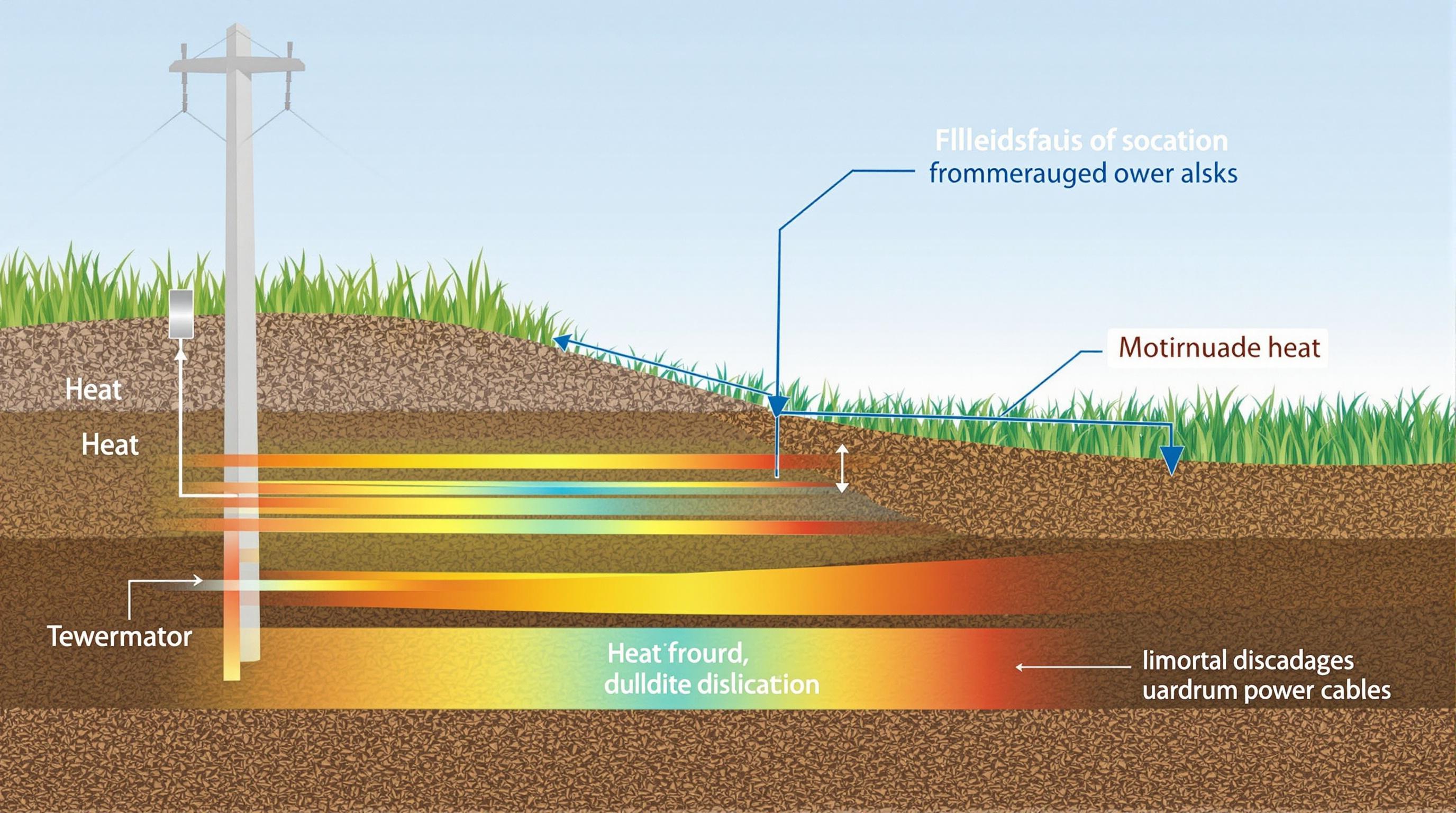
Soil thermal resistivity is a measure of how well soil resists the flow of heat. This property is critical in determining the heat dissipation capabilities of soil surrounding underground power cables and geothermal heat exchangers. Accurate measurement of soil thermal resistivity is essential for: 1. Proper sizing and design of underground power cable systems 2. Optimizing the efficiency of geothermal heat pump installations 3. Preventing overheating and premature failure of buried infrastructure 4. Reducing energy losses in underground transmission systems 5. Ensuring the longevity and reliability of subterranean installations Engineers at EEDAS recognize that inadequate understanding of soil thermal properties can lead to significant project risks, including: • Overheating of underground cables, resulting in reduced capacity and potential failures • Inefficient geothermal systems, leading to increased operational costs • Premature degradation of cable insulation materials • Underestimation of heat dissipation requirements, causing system underperformance To mitigate these risks, precise soil thermal resistivity testing is essential. Let's explore the technical aspects of this critical process.
Technical Methodology of Soil Thermal Resistivity Testing
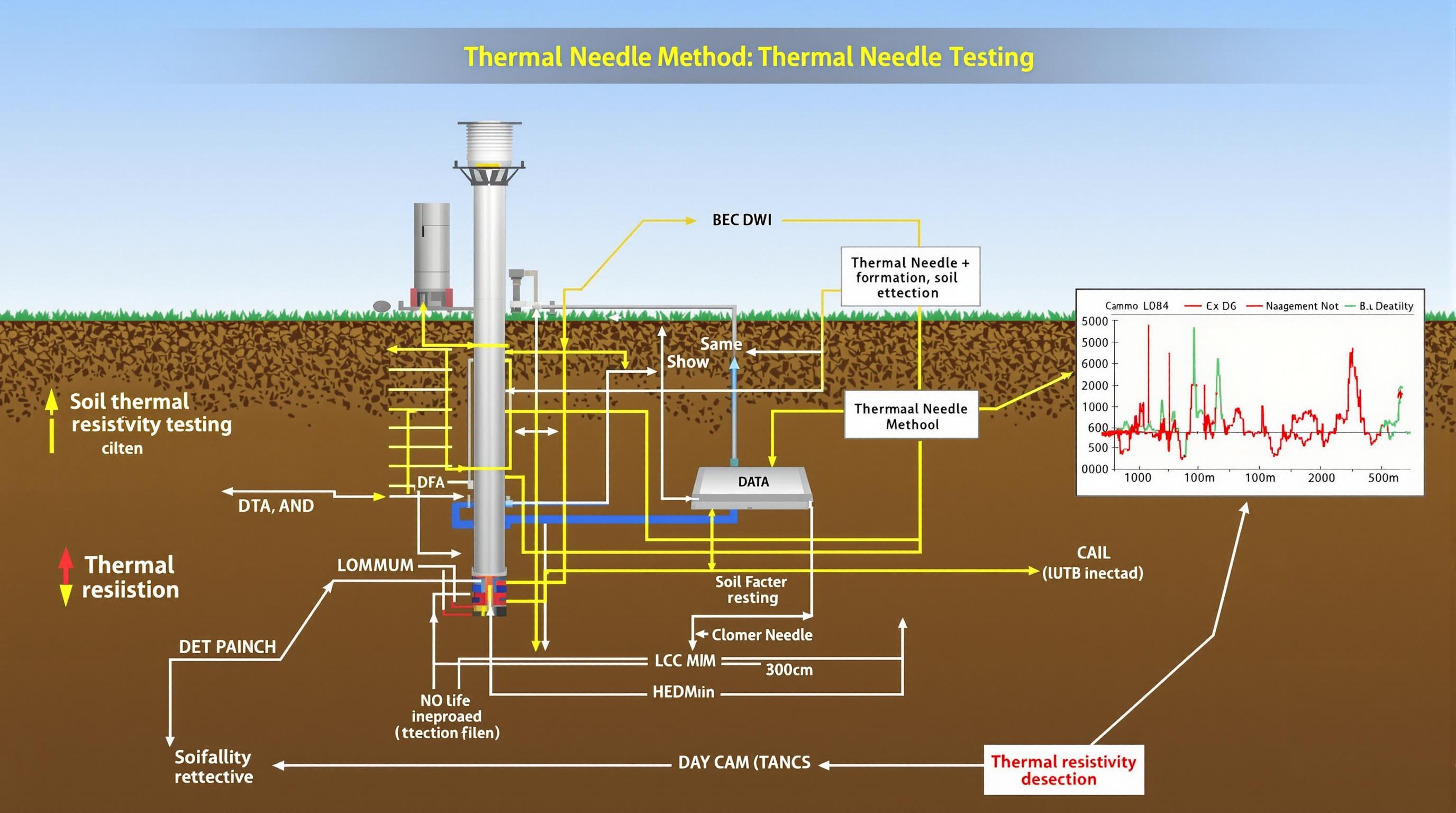
Soil thermal resistivity testing involves sophisticated techniques to measure how effectively soil conducts or resists heat flow. The most common methods employed in the industry include: 1. Thermal Needle Probe Method 2. Guarded Hot Plate Method 3. Transient Plane Source (TPS) Method Among these, the Thermal Needle Probe Method has gained widespread acceptance due to its versatility and accuracy. This method, which EEDAS has refined through years of field experience, involves the following steps: a) Insertion of a needle probe containing a heating element and temperature sensor into the soil sample b) Application of a constant heat flux to the probe c) Measurement of the temperature rise over time d) Analysis of the temperature-time data to calculate thermal resistivity The thermal resistivity (ρ) is calculated using the equation: ρ = (Q / 4πL) * (ln(t2/t1) / (T2 - T1)) Where: Q = Heat input per unit length of the probe L = Length of the probe t1, t2 = Time points during the measurement T1, T2 = Corresponding temperatures at t1 and t2 EEDAS's geotechnical experts have developed proprietary algorithms to enhance the accuracy of these calculations, accounting for factors such as soil heterogeneity and moisture content variations. Technical illustration of the Thermal Needle Probe Method used in soil thermal resistivity testing.
Innovative Approaches to Soil Thermal Resistivity Testing
EEDAS has been at the forefront of developing innovative solutions to enhance the accuracy and efficiency of soil thermal resistivity testing. Some of these advancements include: 1. Multi-depth Testing Systems: EEDAS has developed a proprietary multi-depth testing system that allows for simultaneous measurements at various soil depths. This innovation provides a comprehensive soil thermal profile, crucial for projects with varying underground conditions. 2. Real-time Data Analytics: By integrating real-time data analytics into the testing process, EEDAS engineers can immediately identify anomalies or unexpected results, allowing for on-site adjustments and reducing the need for repeat testing. 3. Moisture Content Correlation: EEDAS has established a database correlating soil moisture content with thermal resistivity for various soil types. This allows for more accurate predictions of thermal behavior under changing moisture conditions. 4. Automated Testing Rigs: To increase efficiency and reduce human error, EEDAS has developed automated testing rigs that can perform multiple tests with minimal manual intervention. 5. Machine Learning Algorithms: By applying machine learning algorithms to vast datasets of soil thermal properties, EEDAS can predict thermal resistivity values for similar soil types, streamlining the testing process for large-scale projects. These innovations have significantly improved the accuracy and efficiency of soil thermal resistivity testing, allowing for more reliable design and implementation of underground infrastructure projects. EEDAS's state-of-the-art soil thermal resistivity testing laboratory equipped with advanced multi-depth probes and real-time analysis systems.
Practical Implementation Insights
The practical application of soil thermal resistivity testing in civil engineering projects requires careful consideration of various factors. EEDAS's civil engineering team has compiled key insights based on extensive field experience: 1. Seasonal Variations: Soil thermal properties can vary significantly with seasonal changes in temperature and moisture content. EEDAS recommends conducting tests during different seasons to account for these variations in project designs. 2. Soil Compaction Effects: The degree of soil compaction can greatly influence thermal resistivity. EEDAS engineers consider the expected compaction levels in the final installation when interpreting test results. 3. Thermal Backfill Materials: In cases where native soil has poor thermal properties, EEDAS often recommends specialized thermal backfill materials. These engineered soils can significantly improve heat dissipation around underground cables or geothermal systems. 4. Spatial Variability: Soil properties can vary greatly even within small areas. EEDAS employs a grid testing approach to map thermal resistivity across project sites, ensuring comprehensive coverage. 5. Integration with Geotechnical Surveys: EEDAS has found that integrating thermal resistivity testing with standard geotechnical surveys provides a more complete picture of subsurface conditions, leading to more robust designs. 6. Long-term Monitoring: For critical installations, EEDAS often implements long-term monitoring systems to track changes in soil thermal properties over time, allowing for proactive maintenance and system optimization. By applying these insights, EEDAS ensures that soil thermal resistivity testing translates into practical, efficient, and reliable underground installations.
Case Study: Optimizing Underground Power Distribution in Urban Environments
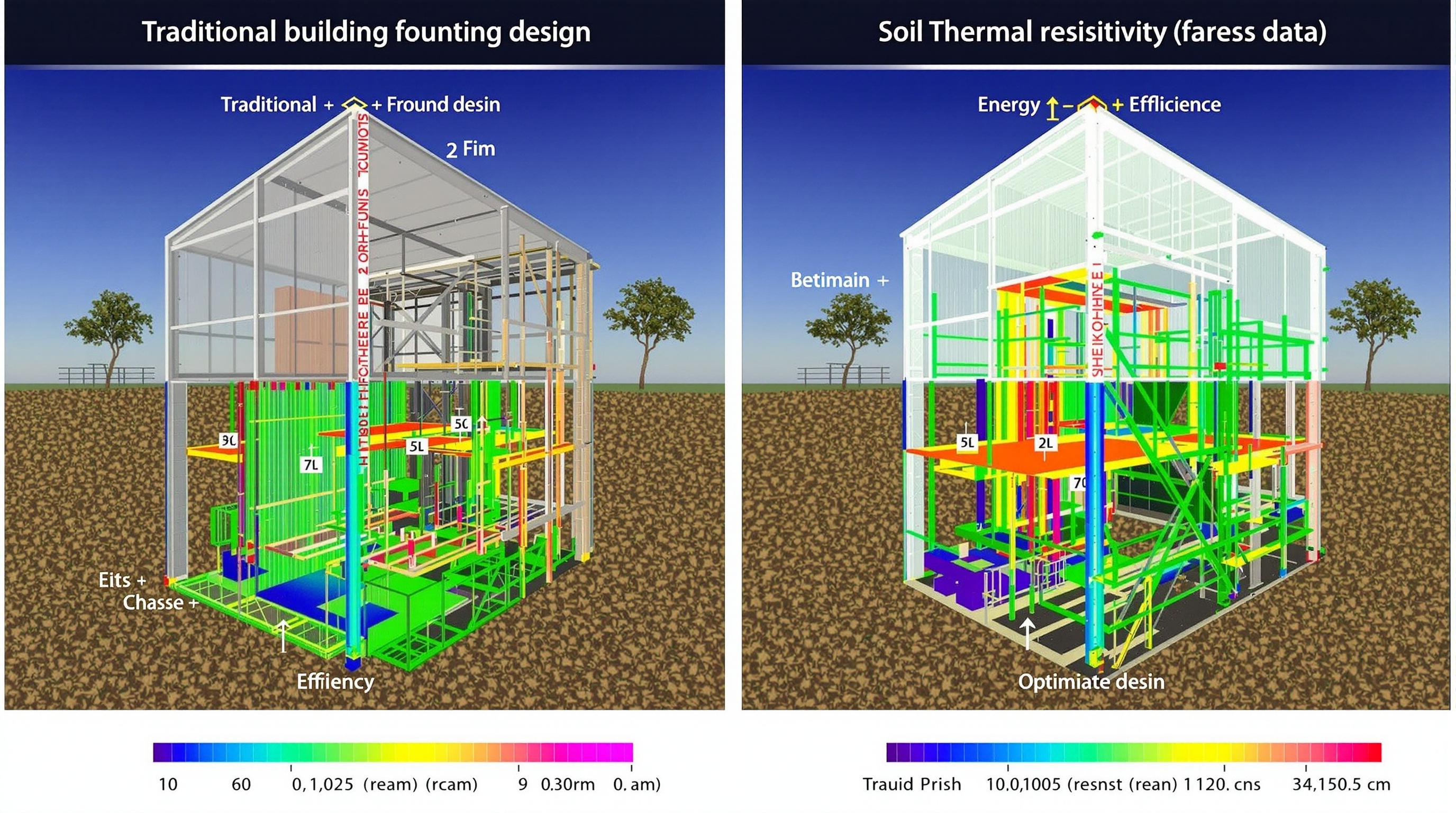
To illustrate the practical application of advanced soil thermal resistivity testing, let's examine a recent project undertaken by EEDAS in a densely populated urban area. Project Overview: • Location: Major metropolitan area in the northeastern United States • Scope: Installation of a high-capacity underground power distribution network • Challenge: Limited space, varied soil conditions, and high heat generation from multiple buried utilities EEDAS Approach: 1. Comprehensive Site Investigation: EEDAS conducted a grid-based thermal resistivity survey across the entire project area, identifying zones of high and low thermal conductivity. 2. Multi-depth Analysis: Using their proprietary multi-depth testing system, EEDAS engineers created a three-dimensional map of soil thermal properties to depths of up to 10 meters. 3. Seasonal Testing: Tests were conducted in both summer and winter to account for seasonal variations in soil moisture and temperature. 4. Integration with Utility Mapping: Thermal resistivity data was overlaid with existing utility maps to identify potential hotspots where multiple heat-generating utilities converged. 5. Thermal Backfill Design: Based on the test results, EEDAS designed a custom thermal backfill mixture to enhance heat dissipation in critical areas. 6. Predictive Modeling: Using the collected data, EEDAS developed a predictive model of cable temperatures under various load scenarios. Results: • The project achieved a 30% reduction in cable overheating incidents compared to similar installations without comprehensive thermal resistivity testing. • Energy losses in the distribution network were reduced by 15% due to optimized cable sizing and placement. • The custom thermal backfill solution allowed for a 25% increase in power transmission capacity in key corridors without exceeding temperature limits. This case study demonstrates the significant impact that advanced soil thermal resistivity testing can have on the efficiency and reliability of underground infrastructure projects. Thermal modeling results showing the impact of EEDAS's optimized design on underground cable temperatures in an urban power distribution network.
Future Trends in Soil Thermal Resistivity Testing
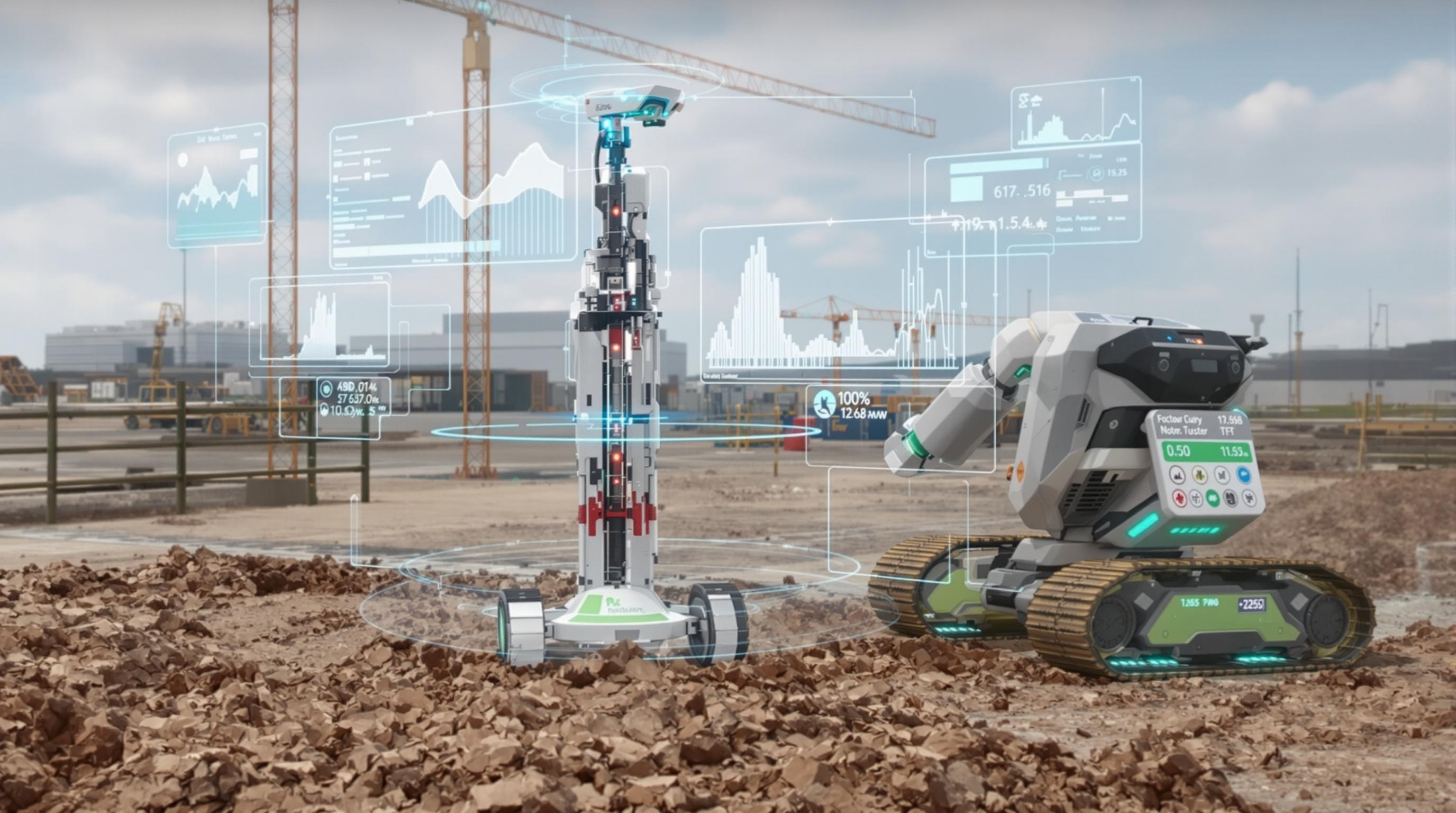
As technology continues to advance, the field of soil thermal resistivity testing is poised for significant developments. EEDAS is actively researching and developing several promising technologies that could shape the future of this critical discipline: 1. Drone-based Thermal Mapping: EEDAS is exploring the use of drone-mounted thermal sensors to rapidly map surface soil temperatures over large areas. This technology could provide valuable initial data for identifying thermal anomalies and guiding more detailed ground-based testing. 2. Fiber Optic Distributed Temperature Sensing (DTS): By incorporating fiber optic cables into underground installations, EEDAS aims to enable continuous, real-time monitoring of soil temperatures along entire cable routes. This technology could revolutionize the management and optimization of underground power systems. 3. Artificial Intelligence for Predictive Modeling: EEDAS is developing AI algorithms that can predict soil thermal behavior based on a combination of limited test data and broader geological and climate information. This could significantly reduce the time and cost associated with comprehensive site testing. 4. Nanotechnology-enhanced Sensors: Research into nanotechnology-based sensors could lead to more accurate and faster thermal resistivity measurements. EEDAS is collaborating with materials scientists to explore this exciting frontier. 5. Integration with Building Information Modeling (BIM): By incorporating soil thermal data into BIM systems, EEDAS envisions a future where underground thermal properties are seamlessly integrated into the overall design and management of urban infrastructure. These emerging technologies hold the promise of making soil thermal resistivity testing more accurate, efficient, and integral to the design and operation of underground systems. Future vision of integrated soil thermal monitoring and smart city infrastructure, powered by EEDAS's innovative technologies.
Conclusion
Soil thermal resistivity testing stands as a cornerstone of modern civil engineering, particularly in the realm of underground infrastructure and renewable energy systems. As urban development intensifies and the demand for efficient, reliable underground installations grows, the importance of accurate soil thermal property measurements cannot be overstated. Through innovative methodologies, advanced technologies, and a deep understanding of geotechnical principles, EEDAS continues to push the boundaries of what's possible in soil thermal resistivity testing. From multi-depth testing systems to AI-powered predictive models, these advancements are enabling more efficient, reliable, and sustainable underground installations. As we look to the future, the integration of soil thermal resistivity data with broader smart city initiatives and sustainable infrastructure designs promises to create urban environments that are not only more efficient but also more resilient to the challenges of climate change and increasing energy demands. For engineers, developers, and policymakers involved in underground infrastructure projects, staying abreast of these developments in soil thermal resistivity testing is crucial. It's not just about building underground systems; it's about creating a foundation for smarter, more sustainable cities. To learn more about how EEDAS is revolutionizing soil thermal resistivity testing and its applications in civil engineering projects, explore our project portfolio or connect with our engineering team. Together, we can build a future where underground infrastructure is not just a necessity, but a driver of innovation and sustainability in our urban landscapes.
Jim Halley
Vice President of Engineering
Jim Halley is a seasoned engineering executive with over 25 years of broad experience spanning renewable energy, land development, water resources, and geotechnical engineering. Most recently, he served as Vice President of Engineering at Urban Grid Solar, where he built and led a 24-person multi-disciplinary department overseeing a 12,000 MW solar PV development portfolio and 940 MW of active construction projects. He finalized contract documents across seven simultaneous EPC projects and led engineering work included in Urban Grid’s $650M acquisition. Prior to Urban Grid, Jim founded the Engineering Department at Ecoplexus Inc. and managed the design and construction of over 200 MW of utility-scale solar farms across multiple regions. He spent four years as Senior Civil Engineer at Strata Solar and founded Natural Systems Engineering, P.C. Jim holds a Professional Engineer license and LEED Accredited Professional designation.
Revinal Dela Rosa is a Senior Electrical Engineer and Project Engineering Manager with over 20 years of experience in high-voltage transmission, GIS substations, and mission-critical power infrastructure for hyperscale data centers and renewable energy projects. He currently serves as Senior Project Engineering Manager at GE Vernova, directing electrical design for a hyperscale AWS data center delivering 500 MW of critical load via a 345 kV GIS substation. A licensed Professional Engineer in multiple U.S. states, Revinal has served as Engineer of Record for facilities supplying more than 60% of metropolitan grid demand in San Francisco and Silicon Valley. Prior to GE Vernova, he led HV substation design at AECOM and served as Engineer of Record for three Cumulus hyperscale data center substations at Linxon. His career also includes significant roles at Siemens, Kiewit, and ABB, where he led engineering for Google, Meta, PG&E, and AEP. Revinal holds a Master of Science in Electric Power Systems Engineering and a Bachelor’s degree in Electrical Engineering.
Bryan Soto
Electrical Engineer — Protection & Control
Bryan Soto is a licensed Professional Engineer specializing in Protection and Control (P&C) design for transmission and distribution substations, with over eight years of progressive experience in the electrical power industry. Currently serving as an Electrical Engineer at TRC Companies, Bryan supports multiple task order contracts for major utilities including Eversource, National Grid, Entergy, and AEP, developing detailed P&C design packages including one-line diagrams, three-line diagrams, AC/DC schematics, and wiring diagrams. Prior to TRC, he served as Electrical Engineer III at Pike Engineering, where he performed QA/QC review of complete P&C design packages and provided technical guidance to junior engineers. Earlier in his career, he served as a Substation Engineer with the National Transmission Corporation of the Philippines, participating in the engineering design, construction inspection, and commissioning of 230 kV and 69 kV substation infrastructure. Bryan’s client experience includes major utilities across North America and the Caribbean.
Daniel Tarin
Manager, Performance and Optimization
Daniel Tarin is Manager of Performance and Optimization at Urban Grid Solar, where he serves as the company’s internal subject matter expert on PV energy modeling and oversees energy yield assessments for a development pipeline exceeding 13 GW. Daniel leads a team of Performance Engineers and Owner’s Engineers, manages technical due diligence and lender/tax equity reviews for over 1 GW of utility-scale PV projects, and directs EPC contract negotiations for performance modeling and Acceptance Testing. He also oversees module forecasting and collaborates with Supply Chain to align equipment selection with financial targets. Prior to his current role, he served as Performance Engineer at Urban Grid Solar, coordinating the redesign and optimization of 3 GW of solar across 19 projects — work that contributed to the company’s $650M acquisition. Before joining Urban Grid, he developed tools and methodologies for predicting and evaluating solar power system performance at Clearway Energy. Daniel is an expert in PVsyst, PlantPredict, Solarfarmer, and SIFT, with deep experience in bankability, M&A technical due diligence, and meteorological campaign design.
Drew Wolanski
Development Engineer
Drew Wolanski is a Development Engineer at Urban Grid Solar, where he designs utility-scale PV solar systems across MISO, PJM, and Southeast power markets and builds software tools to automate site plan generation and portfolio analytics. His background spans renewable energy development, nuclear power plant safety engineering, and energy storage systems, giving him a multi-disciplinary command of the full energy technology landscape. Prior to Urban Grid, Drew was a Senior Engineer at MPR Associates, Inc., where he led the development of a thermal-fluid model for Gen IV SMR safety analyses and authored a technical white paper submitted to the NRC. He also performed thermal-hydraulic and structural safety analyses for the Advanced Test Reactor at Idaho National Laboratory and simulated substation responses to electromagnetic pulses to evaluate grid resilience. Drew earned his Bachelor of Science in Engineering from the University of Virginia, where he served as Materials Lead for the UVA Solar Car Team and conducted undergraduate research on solar cell manufacturing and thermoelectric materials.
Nolan Laird
Civil Engineer
Nolan Laird is a licensed Engineer Intern with experience in civil site design, land development, and structural analysis for infrastructure projects. Currently serving as Engineer Intern II at Ballentine Associates in Chapel Hill, NC, Nolan designs site layouts and infrastructure — including stormwater management systems, sanitary sewer networks, water supply systems, and roadways — for a broad portfolio of residential, commercial, industrial, mixed-use, and public infrastructure projects. He manages construction site inspections, prepares field reports, and ensures compliance with zoning, environmental, state, and local regulations. Prior to Ballentine Associates, Nolan was a Structural Engineer at Tower Engineering Professionals in Raleigh, NC, where he performed structural analyses and on-site inspections for telecommunication structures including cellular towers and water tanks. He holds an Engineer Intern license from the North Carolina Board of Examiners for Engineers and Surveyors and a First Aid/CPR/AED certification from the American Red Cross. Nolan is proficient in AutoCAD, Civil-3D, Revit, RISA-3D, and Python.
Mohammed Badruzzaman, P.E., PMP, CM
CEO & Founder / Principal Engineer
Mohammed Badruzzaman is the CEO and Founder of EEDAS PLLC (Explicit Engineering Design & Analysis Solutions) and serves as its Principal Engineer. Based in Apex, North Carolina, EEDAS is a recognized, fast-growing top-500 U.S. engineering firm specializing in civil, structural, and geotechnical engineering for the power development sector, with $1M+ in annual revenue and a project portfolio spanning 100+ engagements across 17+ states. Mohammed concurrently serves as Lead Consulting Engineer and Project Manager at Siemens, where he directs engineering and delivery for high-voltage GIS substation projects — overseeing foundation design, structural steel, equipment anchorage, and full-time construction support.
Prior to founding EEDAS in 2019, Mohammed served as Manager of Structural and Geotechnical Engineering at Strata Solar, where he led racking system design for 500+ MW-DC of PV solar across multiple project stages. Earlier, he was Senior Structural Engineer at Hatch Associates Consultants, providing design and construction services for hydroelectric dam infrastructure, and served as a consultant to Westinghouse Electric Company supporting AP1000 nuclear structures for Vogtle Units 3 & 4 and V.C. Summer Units 2 & 3. Mohammed holds a Professional Engineer license, Project Management Professional (PMP) certification, and Construction Manager (CM) designation.